THCA Product Labeling Guide: Read It Right
A premium jar can look top-shelf and still leave you guessing if the label does not tell the full story. This THCA product labeling guide shows you what to look for before you put flower, pre-rolls, or vapes in your cart. For discerning customers, the label is not filler. It is the first proof of what you are buying, how it was tested, and whether the product matches the experience you expect.
A clean label will not replace a full certificate of analysis, often called a COA. But it should make the essentials easy to verify: the product identity, net weight, cannabinoid information, batch details, ingredients where applicable, and the responsible business behind the package. When those basics are clear, shopping for premium hemp-derived THCA becomes a more confident call.
Why THCA Labels Deserve a Closer Look
THCA, or tetrahydrocannabinolic acid, is a cannabinoid found in raw cannabis and hemp flower. When it is heated through smoking, vaping, or another decarboxylation process, much of that THCA converts to delta-9 THC. That conversion is why a label that only shows one large potency number can be misleading if you do not know what the number represents.
The legal and compliance side also requires precision. At the federal level, hemp is generally defined by delta-9 THC concentration on a dry-weight basis, but laws, interpretations, and shipping restrictions can vary by state. A label is not a legal guarantee that a product can be shipped everywhere or possessed everywhere. Brands and buyers both need to follow applicable local rules.
The goal is not to turn every purchase into a chemistry exam. It is to recognize the difference between a product that provides real, batch-specific information and one that leans on vague claims such as “ultra potent” without the receipts.
THCA Product Labeling Guide: The Information That Matters
Product name, strain, and format
Start with the straightforward details. The package should identify whether you are buying loose flower, a pre-roll, a vape, or another format. For flower, the strain name matters because it helps you choose around aroma, terpene character, and the type of session you want. A name like Banana Punch, Tahoe OG, or ZRuntz should be paired with the actual product format and weight, not presented as a mystery blend.
Strain names are useful shorthand, not a promise of identical effects for every person. Cultivation conditions, harvests, terpene levels, tolerance, and consumption method all influence the experience. Treat the strain name as one part of the product profile, then look at the testing and description for the rest.
Net weight and serving reality
Net weight tells you how much product is in the package. It should be stated in familiar units such as grams, and an ounce should mean 28 grams. For a pre-roll, the label should make clear whether the listed weight applies to one roll or the total package. For multi-pack pre-rolls, this distinction matters.
Weight is also where value becomes visible. A premium eighth, a seven-gram jar, and a value-priced ounce can all be excellent buys, but only if you are comparing actual grams, not just package size or promotional language. Top-shelf quality should still add up on the scale.
Cannabinoid potency: THCA is not the whole picture
The cannabinoid panel may list THCA, delta-9 THC, CBD, CBGA, or other measured cannabinoids. In THCA flower, THCA is commonly the number customers notice first. It can help you compare batches, but higher is not automatically better. A well-grown batch with strong aroma, proper cure, and a satisfying terpene profile may deliver a better session than dry, harsh flower with a louder percentage.
If a COA provides both THCA and delta-9 THC, you may also see a calculated total THC figure. A common calculation is:
Total THC = (THCA × 0.877) + delta-9 THC
The 0.877 factor accounts for molecular weight lost during conversion. This figure is useful for understanding potential THC after heating, but it is still an estimate, not a personal effects guarantee. Actual conversion depends on temperature, device, burn conditions, and the product itself.
Be cautious when a label says only “30% THC” without identifying whether that means THCA, delta-9 THC, or calculated total THC. Clear labels name the cannabinoid and use consistent units, usually percentage by dry weight or milligrams per gram.
Batch or lot number
A batch number, lot number, or similar identifier connects your package to a specific production run and its lab results. This is one of the strongest trust signals on the label. It means the test report is supposed to apply to the product in your hand, not to an unrelated sample from months ago.
Check that the batch number on the jar, pouch, or box matches the batch number on the COA. If the package has a QR code leading to test results, scan it and look for that match. A QR code by itself is not enough. The report should be readable, product-specific, and tied to the same lot.
Test date and lab details
Fresh testing is not the same as fresh flower, but the test date still gives useful context. The report should identify the lab, sample information, tested analytes, and results. For inhalable hemp products, a meaningful panel may include cannabinoid potency and screening for contaminants such as pesticides, heavy metals, residual solvents, microbial contamination, and mycotoxins.
Not every state requires identical testing panels, and lab reporting formats vary. That is the trade-off: one COA may be easier to read than another. What matters most is that the testing is third-party, specific to the lot, and broad enough to support the purity claims being made.
Ingredients and hardware details for vapes
Flower should be simple. The product is flower, and the label should not make you wonder what else is in the jar. Vapes require more scrutiny because the oil and hardware are part of the experience. Look for an ingredient statement that identifies the extract and any added terpenes or other ingredients.
Avoid labels that hide behind “proprietary blend” language without explaining what is actually being inhaled. For vape products, responsible labeling may also identify the oil volume, battery or device specifications, basic use instructions, and warnings. If the information is unclear, that is a reason to pause, not a reason to guess.
Warning Statements Are Part of the Product
A serious label should include adult-use warnings and responsible-use language. Hemp-derived THCA products are for adults 21 and over. They can be intoxicating after heating, may impair driving or other activities requiring attention, and may trigger a positive drug test.
The drug-testing point deserves zero confusion. THCA products are not a safe workaround for employment, probation, athletic, or other testing programs. Once consumed and metabolized, THC-related compounds can be detected. If passing a drug test matters, the prudent choice is not to use THCA.
Look for child-safety language, storage guidance, and a clear instruction to keep products away from children and pets. A package that treats warnings as an afterthought is not operating at the standard premium customers should expect.
How to Read a Label Before You Buy
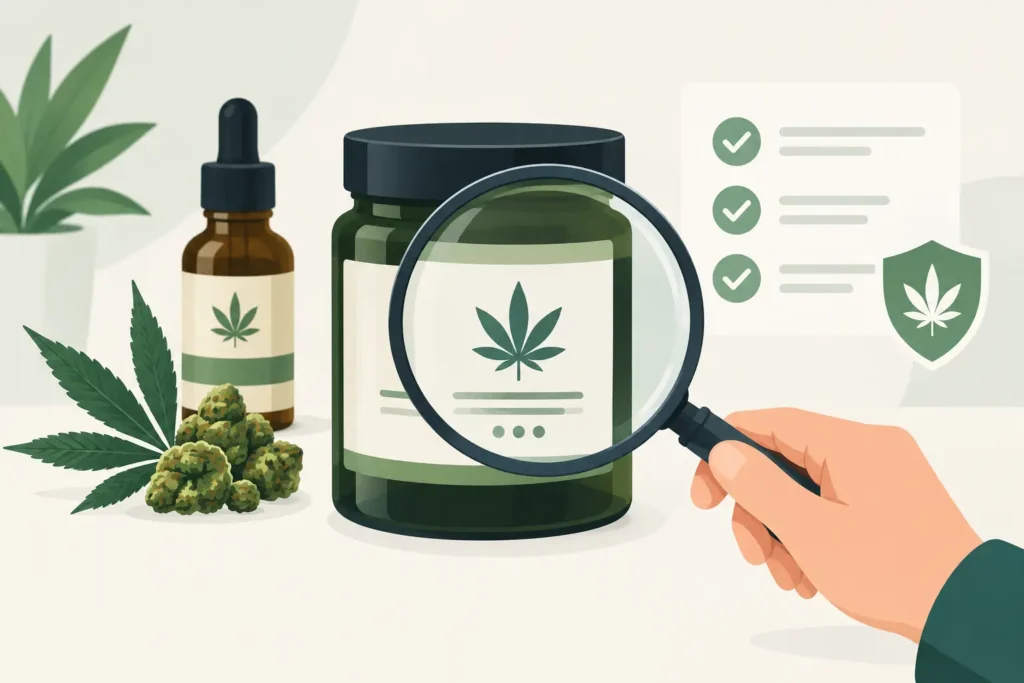
Before checking out, use a fast three-part filter. First, confirm exactly what the product is: strain, format, and net weight. Second, review the stated cannabinoid information and make sure you understand whether it refers to THCA, delta-9 THC, or total THC. Third, verify that there is a batch-specific COA with a matching lot number and meaningful contaminant testing.
Then consider the details that shape value. Is the flower hand curated and properly described? Does the pre-roll disclose its weight and contents? Does the vape identify its ingredients instead of relying on flashy packaging? Is the retailer transparent about shipping restrictions and adult eligibility? Premium is not just a high percentage. It is clear information, consistent quality, and no smoke screen around what you are purchasing.
Seigler’s customers know the difference between loud packaging and a product that earns its place in the rotation. Whether you are stocking up on a value ounce or choosing a special eighth, make the label part of the ritual. The best package gives you a clean read before the first spark, so you can spend less time second-guessing and more time enjoying the flower.