
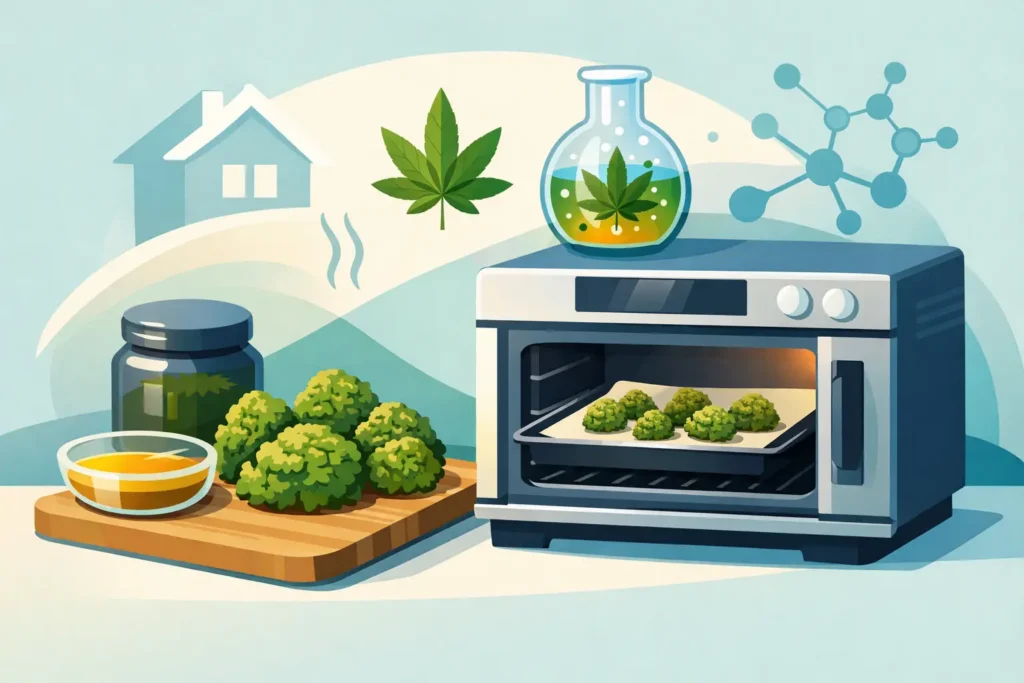
How to Decarboxylate THCA Flower at Home
A premium THCA flower jar can smell like straight top shelf, but raw flower is not the same as activated flower. If you are learning how to decarboxylate THCA flower, the goal is simple: apply steady, controlled heat so THCA converts into THC without scorching the cannabinoids and terpenes that make a great strain worth keeping.
This is not a situation for blasting your flower at the highest oven setting and hoping for the best. Decarboxylation, usually shortened to decarb, rewards patience. A modest temperature, a reliable timer, and a little attention to handling will do more for your final result than complicated gear ever will.
What Decarboxylation Does to THCA Flower
THCA is the naturally occurring cannabinoid found in fresh hemp-derived THCA flower. It is not intoxicating in the same way as THC until heat changes its molecular structure. That process removes a carboxyl group from THCA, converting much of it into delta-9 THC.
Smoking or vaping handles this conversion in real time because the flower is exposed to direct heat. Decarbing matters when you plan to use flower in an infused oil, butter, tincture, capsule, or another preparation that will not receive enough heat later to fully activate it.
The difference is practical. Add raw, ground THCA flower to a recipe without decarbing it first, and you may leave a meaningful portion of its potential on the table. Decarb it carefully, and you have activated material ready to pair with a fat-based ingredient or another chosen application.
The Best Temperature to Decarboxylate THCA Flower
For most home ovens, a target range of 220 to 240 degrees Fahrenheit is the sweet spot. At roughly 230 degrees Fahrenheit, plan on about 30 to 40 minutes. That range gives the conversion process time to work while helping preserve more of the flavor and character that discerning customers expect from hand-curated flower.
There is a trade-off. Lower temperatures can preserve more delicate terpenes, but may require extra time and may produce a less complete conversion if the oven runs cool. Higher temperatures can speed up the process, yet they also increase the chance of driving off aromatic compounds or degrading cannabinoids. More heat is not more premium.
Your oven matters, too. Home ovens are notorious for temperature swings, especially older models. An inexpensive oven thermometer is one of the smartest upgrades you can make for consistent decarbing. The display may say 230 degrees while the oven itself is running significantly hotter.
How to Decarboxylate THCA Flower in an Oven
The oven method is straightforward, affordable, and easy to repeat. It is the right starting point for most adults 21 and over who are preparing a small batch at home where permitted by law.
1. Preheat and Prepare Your Tray
Preheat the oven to 230 degrees Fahrenheit. Line a baking sheet or small oven-safe dish with parchment paper. Parchment keeps sticky resin from clinging to the pan and makes cleanup painless.
Avoid aluminum foil directly against the flower if you can. It works in a pinch, but parchment is easier to handle and less likely to disturb your material when you move it.
2. Break Up the Flower Lightly
Break your THCA flower into small, even pieces with clean fingers or a coarse grinder. Do not grind it into powder. Fine material can heat too quickly, lose more aroma, and become difficult to collect after decarbing.
Think loose and consistent. Buds should be opened enough for heat to reach the interior, but not pulverized. If you are working with a dense, frosty flower, gently separating it is usually all it needs.
3. Spread It in a Single Layer
Place the pieces across the parchment in one even layer. Crowding can create uneven heating, while piling flower into a mound leaves some pieces underexposed. Give the flower room to breathe without overthinking it.
For a small amount, a compact oven-safe dish can be easier than a full sheet pan. The key is keeping the material level and easy to check.
4. Heat for 30 to 40 Minutes
Set a timer for 30 minutes. Midway through, carefully shake or stir the flower once so it heats evenly. Return it to the oven and check again after the 30-minute mark.
Properly decarbed flower should look slightly darker and drier than when it started. It may shift from bright green toward a light golden or toasted green-brown color. It should smell herbal and rich, not burnt. If it is still noticeably fresh, dense, or green at 30 minutes, give it another five to 10 minutes.
Do not keep opening the oven every few minutes. Each opening drops the temperature and extends the process. One quick check is enough.
5. Let It Cool Before You Use It
Remove the tray and allow the flower to cool completely at room temperature. The material will be fragile while warm, and cooling helps keep the aromatic compounds from disappearing too quickly.
Once cool, it is ready to be infused, stored, or measured. Handle it gently. Those trichomes are part of the reason premium flower delivers such a full experience.
How to Know When THCA Flower Is Decarbed
There is no visual test that tells you the exact percentage converted, but you can judge a batch with a few reliable signals. The flower should be dry to the touch, lightly toasted in color, and easy to crumble. It should not be black, smoky, or reduced to ash.
A strong burnt smell is the clearest warning sign that the temperature was too high or the flower stayed in too long. If the batch looks nearly unchanged and still feels moist, it may need a little more time. Oven calibration is often the reason two people get different results using the same temperature setting.
For greater consistency, keep notes. Record the strain, amount, oven temperature measured by your thermometer, and total time. That gives you a repeatable playbook for your preferred flower instead of guessing with every batch.
Common Decarb Mistakes That Cost You Quality
The biggest mistake is overheating. It is tempting to turn the oven up to finish faster, but rushed heat can flatten the nuanced aroma and flavor that separate value flower from real top-shelf quality.
Another common error is using a fine grinder before decarbing. Powdery flower has a larger exposed surface area, which can mean more terpene loss and more material stuck to your pan, tools, or storage jar. A coarse break-up is the better move.
Skipping the thermometer can also cause trouble. If your oven runs hot, even a careful recipe can become an overcooked batch. Finally, do not confuse decarbing with infusing. Decarbed flower is activated, but cannabinoids bind more effectively into oil, butter, or another fat-based carrier when you are making an edible preparation.
Can You Decarb THCA Flower in a Mason Jar?
Yes. A loose-lidded, oven-safe mason jar can reduce some of the aroma released into your kitchen and help contain the flower. Break the buds up lightly, place them in a clean, dry jar, and set the lid on without overtightening it. Heat the jar at the same general temperature range, carefully shaking it once or twice during the process.
The trade-off is that glass heats more gradually than an open baking sheet. You may need to add a few minutes, and you should always let the jar cool before handling it. Never use damaged glass, and never seal a jar tightly while heating it.
Storing Decarbed THCA Flower
Once the flower is fully cool, store it in an airtight glass container away from heat, moisture, and direct light. A cabinet is better than a sunny counter. Label the container clearly so no one mistakes activated flower for raw flower.
Use your decarbed material within a reasonable timeframe for the best flavor. Proper storage protects the character of the strain and makes every measured serving more predictable. As with any hemp-derived THC product, keep it secured away from children and pets, follow local laws, and start conservatively when trying a new preparation.
The cleanest home decarb is not flashy: good flower, measured heat, and enough patience to let quality stay quality. Treat your material with the same standards you use when choosing it, and the final preparation will show it.