Is THCA Natural? What Premium Flower Contains
A frosty flower nug is not supposed to be a mystery. When discerning customers ask, is THCA natural, they are usually asking something bigger: Does this cannabinoid actually come from the plant, or was it added later to make a label look louder? The straight answer is that THCA occurs naturally in cannabis and hemp. But the way a product is grown, handled, and marketed still matters.
Is THCA Natural in Hemp Flower?
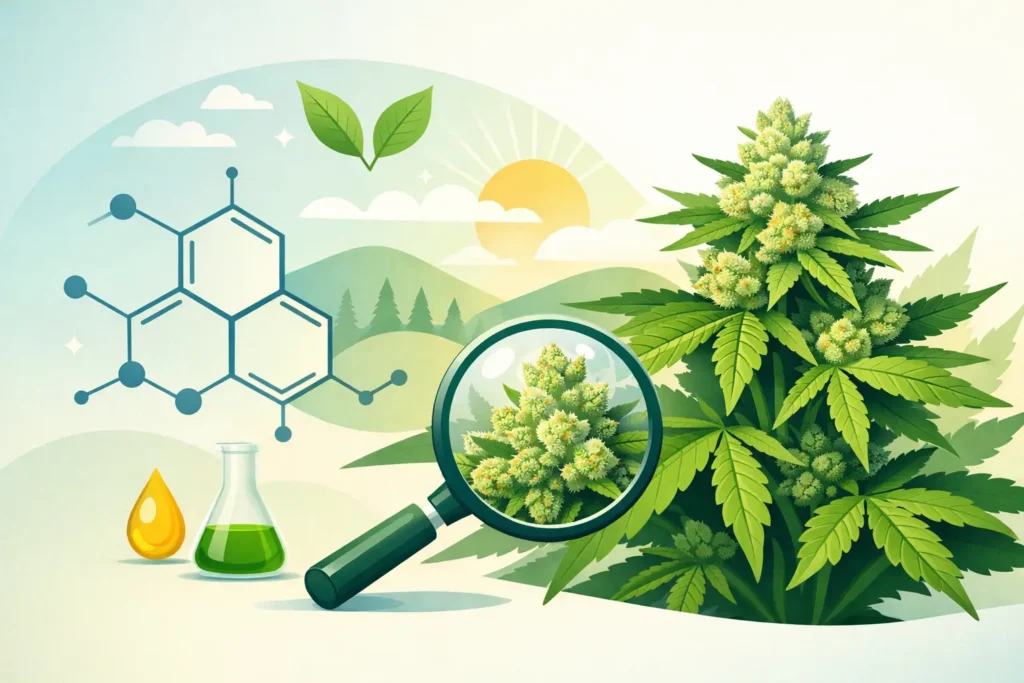
Yes. THCA, short for tetrahydrocannabinolic acid, is a naturally occurring cannabinoid made by the cannabis plant. In fresh, living flower, the plant produces THCA rather than a large amount of Delta-9 THC. It is concentrated in the resinous trichomes – the tiny, crystal-like glands that give quality flower its sticky texture, loud aroma, and visual frost.
The plant builds THCA through its own cannabinoid pathway as the flower matures. Genetics, cultivation, harvest timing, drying, curing, and storage all influence how much ends up in the final flower. That is why one strain may test with a different THCA percentage than another, even when both are naturally grown.
Natural does not automatically mean identical, though. A hand-curated indoor flower and a poorly handled bulk crop can both contain naturally occurring THCA. The difference shows up in the details: how cleanly the flower was grown, whether it was cured with care, how fresh it is, and whether the product is backed by meaningful third-party testing.
Why THCA Turns Into THC When Heated
THCA is the acidic form of THC. The key difference is a small chemical group attached to the THCA molecule. When flower is exposed to sufficient heat, that group is released in a process called decarboxylation, often shortened to decarbing.
Smoking, vaping, and other high-heat methods trigger that conversion quickly. THCA becomes Delta-9 THC, which is why THCA flower can deliver effects similar to traditional cannabis flower after it is lit or vaporized. Raw THCA itself does not produce the same intoxicating effect in the way heated THC does.
This is also why product handling matters. Heat, light, and time can gradually change a flower’s cannabinoid profile. Premium flower should be stored in a cool, dark place in an airtight container to help preserve its character. Leaving top-shelf flower in a hot car or on a sunny windowsill is a fast way to waste what you paid for.
Natural THCA vs. Added THCA
Here is where shoppers should slow down and read beyond the biggest number on the package. THCA can be naturally present in flower, but not every product marketed with THCA is built the same way.
A quality THCA flower product starts with hemp flower that naturally develops a strong THCA profile in its trichomes. It should look, smell, and smoke like well-grown flower because it is well-grown flower. There is no need to coat good buds in mystery material to make them feel premium.
Other products may be enhanced after harvest with cannabinoid isolates, distillates, diamonds, kief, or infused oils. Infused products are not automatically bad. A properly made infused pre-roll can be a deliberate, potent experience. But it is a different category from natural THCA-rich flower, and it should be labeled clearly. Customers deserve to know whether they are buying straight flower, an infused pre-roll, or flower that has been altered after harvest.
The same rule applies to hemp-derived vapes. A vape can contain hemp-derived cannabinoids, but it is not the same as smoking naturally THCA-rich flower. Extraction, refinement, terpene formulation, and hardware all become part of the equation. Choose the format for the experience you want, not because the label makes every option sound interchangeable.
What a natural flower label should tell you
The best product pages and labels make the basics easy to verify. You should be able to identify the strain, product type, net weight, cannabinoid results, and batch-specific lab information without guessing. If a seller cannot clearly explain what is in the jar, pre-roll, or vape, that is not premium confidence.
For flower, appearance can offer useful clues but never the whole story. Dense trichome coverage, a strain-appropriate aroma, and a properly cured texture are good signs. A lab report is where you confirm the measurable side of quality.
Lab Testing Is the Real Trust Signal
Calling THCA natural is only one piece of the purchase decision. A serious hemp retailer should provide third-party testing that helps customers evaluate both potency and product safety. Potency matters, but a high THCA percentage is not the only marker of a clean, satisfying smoke.
Look for a current certificate of analysis tied to the batch you are purchasing. The report should identify cannabinoid content and, when testing is available, screen for contaminants such as pesticides, heavy metals, microbial impurities, mycotoxins, and residual solvents. Flower does not typically rely on solvent extraction in the same way concentrates do, but full-panel testing is still a stronger sign that a brand takes quality seriously.
Also read cannabinoid results with context. THCA percentage gives you a starting point, not a complete prediction of flavor, smoothness, or how a strain will feel. Terpenes, minor cannabinoids, freshness, and your own tolerance all shape the experience. Chasing the highest number every time can make you miss a beautifully grown strain with better flavor and more balanced effects.
At Seigler’s, the standard is simple: hand-curated, lab-tested flower should earn its top-shelf position before it reaches your door. Premium quality is not a buzzword when the product, the batch data, and the smoke all line up.
A Quick Way to Shop THCA Flower With Confidence
Start with the product format. If you want the most direct expression of the plant, choose whole flower. If convenience is the priority, a pre-roll can make sense, but check whether it is standard flower or infused. If you prefer a discreet, portable option, inspect vape details more closely, including cannabinoid ingredients and testing.
Then check the batch information. Fresh lab results, clear cannabinoid data, and transparent product descriptions beat vague claims every time. Pay attention to the harvest or packaging date when available. Even exceptional flower can lose aroma and character if it has been sitting too long.
Finally, buy according to your preferences, not someone else’s tolerance. A potent strain may be exactly what an experienced customer wants, while another person may prefer a smaller amount and a slower start. Take one or two pulls, give the effects time to develop, and keep your setting comfortable. Quality cannabis rewards patience.
Is Natural THCA Legal?
Federal hemp rules and state laws are not a one-size-fits-all answer. Hemp products are generally evaluated under federal standards based on Delta-9 THC concentration by dry weight, but states can set their own restrictions, enforcement priorities, or rules around hemp-derived intoxicating cannabinoids. A product’s THCA content, how it is tested, and how a state interprets applicable law can all affect availability.
That means customers should always confirm that hemp-derived THCA products are permitted where they live and that the retailer ships to their location. Legal availability can change, and no product page replaces checking current local rules. Adults 21 and over should purchase responsibly and follow all applicable laws.
Will THCA Show Up on a Drug Test?
It can. Because THCA converts to THC when heated and THC metabolites may be detected by common drug tests, using THCA flower, pre-rolls, or vapes can create a positive test result. Do not treat a hemp label as a guarantee of passing a drug screen.
If your job, licensing, athletics program, court requirements, or medical care depends on a negative result, the practical move is to avoid THC and THCA products. Potency claims, product legality, and testing outcomes are separate issues.
Natural THCA starts in the plant, but premium flower is proven by what happens after that: careful cultivation, honest labeling, batch-level testing, and a product that arrives fresh enough to speak for itself. Shop with standards, store it right, and let the flower do the talking.