Understanding THCA Potency Labels Before You Buy
A 28% THCA flower jar can look like the obvious winner next to a 22% option. But if you buy solely by the largest number on the label, you can miss what actually separates top-shelf flower from average product: the cannabinoid profile, the batch quality, the freshness, and the lab report behind the claim.
Understanding THCA potency labels gives you a cleaner way to shop. You will know what the percentage means, what it does not mean, and how to compare flower, pre-rolls, and vapes without getting caught up in inflated-looking numbers.
What THCA Percentage Actually Tells You
THCA, or tetrahydrocannabinolic acid, is the naturally occurring cannabinoid found in raw cannabis and hemp flower. In its unheated form, THCA is different from delta-9 THC. When heat is applied through smoking, vaping, or other decarboxylation methods, THCA converts into delta-9 THC.
A THCA percentage on a flower label tells you how much THCA was measured in that specific batch by weight. If a jar says 25% THCA, roughly one-quarter of the tested dry flower weight was THCA. That is a meaningful measure of potency, especially when comparing similar products, but it is not a guaranteed prediction of your exact experience.
Flower is agricultural. Two buds from the same harvest can burn a little differently. Storage conditions, grind consistency, moisture, your device, and how much you consume all affect the result. Think of THCA percentage as a strong signal, not the entire story.
Understanding THCA Potency Labels and Total THC
The most useful number on a cannabinoid label is often Total THC. This figure estimates the potential delta-9 THC content after THCA is heated and converted. Labs commonly calculate it with this formula:
Total THC = Delta-9 THC + (THCA x 0.877)
The 0.877 factor accounts for the small amount of mass lost during conversion. THCA does not become delta-9 THC at a perfect one-to-one rate by weight.
Here is a simple example. A flower batch with 28% THCA and 0.2% delta-9 THC would have an estimated Total THC of about 24.8%:
0.2 + (28 x 0.877) = 24.76% Total THC
That calculation is why a package showing 28% THCA may show a lower Total THC number on its certificate of analysis, or COA. Nothing is missing. The figures describe two different stages of the cannabinoid profile.
For experienced shoppers, Total THC is useful for apples-to-apples comparison. A 24% Total THC flower and a 25% Total THC flower are close enough that terpene content, cure, genetics, and personal preference may matter more than that one-point spread.
Why a Higher Percentage Is Not Always a Better Buy
Chasing the highest THCA number can lead to disappointing purchases. A 32% claim sounds powerful, but numbers should always be backed by batch-specific testing. And even when the number is real, it does not automatically mean better flavor, a cleaner burn, or a more satisfying session.
A well-grown 24% THCA cultivar with rich aroma, a proper cure, and intact trichomes can stand out over a harsher 30% flower that was rushed, stored poorly, or tested from an unrepresentative sample. Top-shelf quality is not just a percentage. It is how the full flower shows up when you break it down, light it up, and come back for another jar.
Potency also lands differently from person to person. A seasoned consumer may prefer a high-THCA strain for an evening session, while someone with a lower tolerance may find a moderate percentage more manageable. More is not automatically better. The right move is buying with intention.
Read the Label Beyond the Big Number
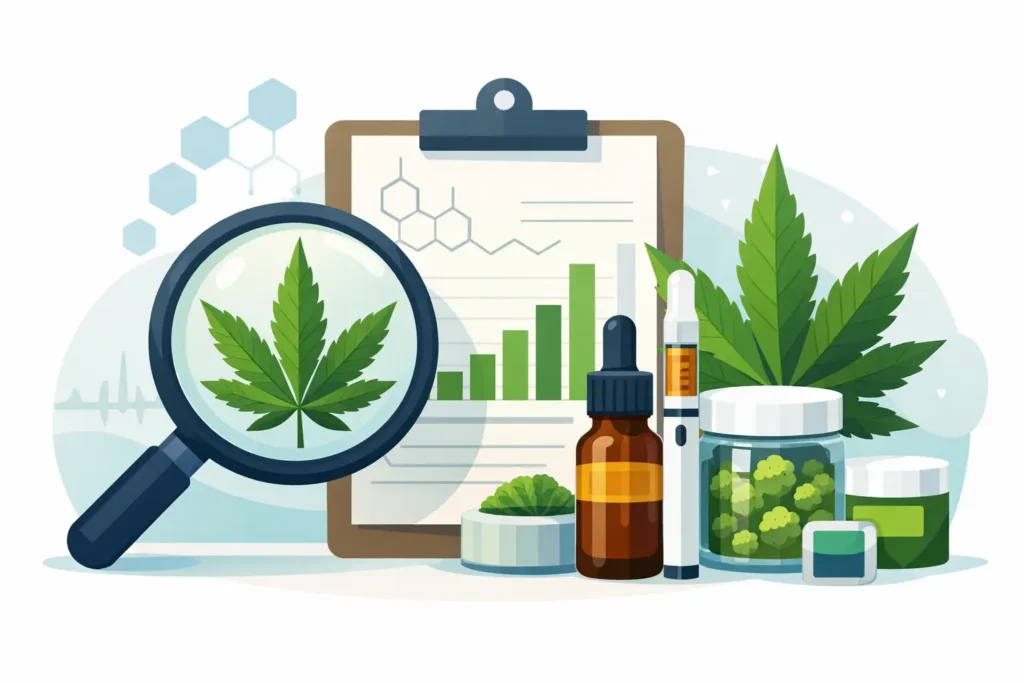
A premium product label should make the basics easy to verify. Start with the product type, net weight, strain or cultivar name, and cannabinoid percentages. Then look for a batch or lot number that corresponds with a COA.
The COA is where a potency claim earns trust. It should identify the product or batch tested and show cannabinoid results, including THCA and delta-9 THC. It should also show the testing laboratory and test date. A current report that matches the lot in your hand carries far more weight than a generic report with no clear product connection.
For hemp-derived THCA products, compliance depends on applicable law and measured delta-9 THC levels on a dry-weight basis. Product availability and shipping eligibility can vary by state, and regulations can change. Responsible brands make those restrictions clear instead of treating legality as an afterthought.
A complete COA may also include screening for pesticides, heavy metals, microbial contaminants, mycotoxins, and residual solvents where relevant. Potency gets the headline, but purity is what keeps a premium purchase premium. The cleanest high money can buy starts with knowing what was tested, not merely what was advertised.
Test Date and Batch Matter More Than Most Shoppers Think
Cannabinoids and terpenes change over time. Flower that has been sitting in poor conditions can lose aroma and character, even if the printed potency number remains impressive. A recent, batch-specific COA is a better sign than a floating percentage copied across every strain and every product format.
You should also be skeptical of labels that only say “total cannabinoids” without breaking down THCA, delta-9 THC, and other major cannabinoids. A big total cannabinoid number can sound premium while telling you very little about the product’s actual THCA content.
Flower, Pre-Rolls, and Vapes Use Potency Differently
The label format changes by product category, so compare like with like.
For flower, potency is usually presented as a percentage by dry weight. A 3.5-gram eighth at 25% THCA contains a meaningful amount of THCA across the full package, but you are not consuming all of it at once. The amount used per session matters just as much as the percentage.
For pre-rolls, look at both the THCA percentage and the total flower weight. A one-gram pre-roll at 25% THCA and a half-gram pre-roll at 25% THCA have the same tested percentage, but not the same total cannabinoid content per roll. The blend also matters. Whole-flower pre-rolls and products made with trim can perform differently even when the label numbers look similar.
Vapes may list potency as a percentage, milligrams per gram, or total milligrams in the cartridge or disposable. Because concentrates are more concentrated than flower, the percentage can look much higher. That does not make a 90% vape directly comparable to a 25% flower jar. Delivery method, serving size, hardware, and formulation all change the practical experience.
A Smarter Way to Compare Two THCA Products
When two options are in front of you, start with the COA-backed THCA and Total THC numbers. Then look at the full profile: terpene information if available, batch freshness, strain genetics, product format, and price per gram. That is where value becomes clear.
A 26% THCA ounce at a strong price can be a better pickup than an expensive eighth with a slightly higher percentage, especially if the larger format is fresh, lab-tested, and from a cultivar you already enjoy. Premium should feel like a standard, not a markup.
At Seigler’s, that mindset is built into hand-curated flower: discerning customers should be able to shop strong, tested hemp-derived THCA without paying dispensary-level prices for the privilege.
Potency Labels Are a Starting Point, Not a Shortcut
THCA labels reward shoppers who read past the front-panel percentage. Use the number to narrow your choices, use the COA to verify it, and use your own preferences to make the final call. A product with honest testing, a clean profile, and a strain you genuinely want to smoke will always beat a flashy number with nothing behind it.
The next time you are choosing between jars, give the label a second look. That extra minute can turn a guess into a top-shelf decision.