Wholesale Inventory Turnover: Keep Premium Stock Moving
A jar that sits too long is not premium inventory. It is cash tied up on a shelf, aroma fading while newer drops fight for attention. For smoke shops and hemp retailers, wholesale inventory turnover is the discipline that keeps top-shelf flower, pre-rolls, and vapes fresh, visible, and profitable without leaving the shop understocked when demand hits.
The goal is not to move product recklessly. Discerning customers notice when a strain is stale, a display feels picked over, or a retailer only carries what is cheapest. The real play is to carry products with enough depth to create choice, then replenish based on what is actually leaving the shelf.
What Wholesale Inventory Turnover Tells You
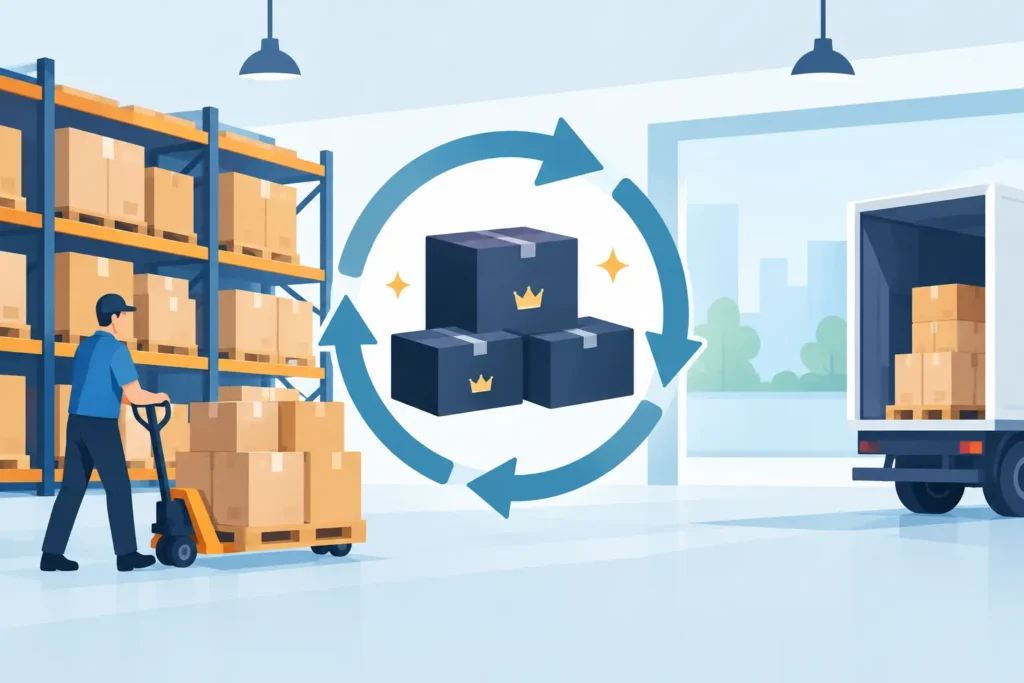
Inventory turnover measures how often you sell through and replace inventory during a defined period. The basic formula is:
Cost of goods sold ÷ average inventory value = inventory turnover rate
Say a retailer sells $24,000 worth of hemp-derived products at cost over a month and carries an average of $6,000 in inventory at cost. That inventory turns four times that month. The number alone does not tell the whole story, but it gives a clear signal: is capital moving, or is it collecting dust?
For hemp-derived THC-A products, turnover matters because quality is experienced with the senses. Flower should look fresh, smell loud, and arrive in packaging that earns trust. Pre-rolls should stay properly protected. Vapes should not become forgotten inventory behind a counter. Fast, controlled sell-through protects the experience customers came in for.
A high rate is not automatically a win. If customers regularly hear, “We are out,” the business may be buying too shallow and giving sales away to the shop down the street. A low rate is not always a disaster either. A limited, higher-priced cultivar may move deliberately while still producing solid margin. What matters is turnover by category, SKU, price point, and reorder behavior.
The Right Wholesale Inventory Turnover Rate Depends on the Shelf
A $10 impulse pre-roll, a premium ounce, and an exotic small-batch flower drop should not be judged by the same timeline. They attract different buyers and create different buying patterns.
Everyday value flower usually needs a quicker turn. These are the dependable jars customers return for because the price makes sense and the quality still feels elevated. When a strain has repeat demand, it deserves a deeper buy and a defined reorder point.
Premium or limited flower can carry a slower cadence. Its job is often to create shelf appeal, establish the store as a destination, and lift the average ticket. But “limited” is not a free pass for dead stock. If customers admire it but do not buy it, reconsider the price, placement, format, or strain selection before placing another order.
Vapes and pre-rolls often benefit from tight assortment management. Too many similar options can flatten demand across the entire case. A more intentional range – proven favorites, a few fresh releases, and clear price ladders – gives customers a reason to choose without making the counter feel crowded.
Buy for Demand, Not for a Wholesale Deal
Wholesale pricing can make a large case purchase look like easy margin. It is only easy margin if it sells while the product remains at its best. A deeper discount is not a bargain when it creates four months of slow-moving inventory.
Start with your sales history. Review units sold by week, not just revenue by month. Revenue can disguise a problem: one expensive sale may make a product look healthy even when it barely moves. Units, repeat purchases, and days on hand reveal the clearer picture.
Then account for the conditions that change demand. A strain that performs after payday may stall midweek. A high-potency item may sell better after an educated staff recommendation. A summer-friendly flavor profile may move differently from a heavy, nighttime-leaning option. Wholesale buying works best when it follows the real rhythm of your customers, not a generic purchasing calendar.
Before expanding an order, ask three direct questions: Has this SKU sold consistently for at least several weeks? Can it be merchandised where customers will actually see it? Does the margin still work after discounts, staff time, and any promotional giveaway? If the answer is unclear, test a smaller quantity first.
Protect Freshness With a First-In, First-Out System
First-in, first-out is not glamorous, but it separates disciplined retailers from stores that discover old product during a reorder. Older eligible inventory should sell before newer inventory of the same item. This sounds obvious until fresh arrivals land, staff gets excited, and the latest packaging takes over the display.
Keep receiving dates visible in your inventory system or on backstock labels. When new wholesale shipments arrive, verify the count, inspect packaging, and rotate existing stock forward. Store products in a cool, dry, low-light environment appropriate to their packaging requirements. Heat, careless handling, and direct light can work against the quality customers expect from premium hemp products.
Lot-level tracking also helps when customers ask informed questions. A retailer that can confidently identify a product batch, locate its corresponding documentation, and explain what is on the shelf earns more trust than one that treats every jar as interchangeable.
Use Promotions to Move Product Without Training Customers to Wait
A slow SKU does not always need a fire sale. Aggressive markdowns may move units today while teaching customers never to pay regular price tomorrow. Better promotions add a reason to buy now without stripping the value from your best inventory.
Pair a slower item with a proven mover in a bundle. Offer a threshold incentive that raises the basket size. Feature a staff pick and give the team a quick, accurate talking point on the strain, format, and price. If a product has been sitting too long, use a limited-time offer with a clear endpoint, then review why it stalled before bringing it back.
This is where shelf placement matters. Inventory that lives in a drawer cannot turn. Keep hero products visible, price them clearly, and make the quality easy to understand in seconds. Customers should not have to ask three questions to find out whether a flower option is potent, lab-tested, or worth the money.
Watch the Numbers That Explain the Turnover Rate
Turnover is the headline, but these supporting numbers show what needs attention:
- Days on hand shows how long current inventory will last at the current sales pace.
- Sell-through rate shows what percentage of a received shipment has sold during a chosen period.
- Gross margin return on inventory compares the gross profit a product generates with the money tied up in it.
- Stockout frequency reveals whether fast turnover is actually costing you sales.
Review these figures weekly for high-volume items and at least monthly for the full assortment. If a SKU has weak sell-through but healthy margin, it may need better placement rather than removal. If it has weak sell-through and weak margin, the buying decision likely needs to change.
Build a Reorder System Your Team Can Follow
A reorder point prevents two expensive mistakes: waiting until the shelf is empty and ordering based on gut feeling. Set it using average weekly sales, supplier lead time, and a modest safety stock for proven products. The faster and more reliable the supplier relationship, the less excess inventory you need to hold.
For example, if a popular flower SKU sells 12 units a week, takes one week to arrive, and you want four units of safety stock, reorder when you reach 16 units. Adjust that number after promotions, seasonal shifts, or a noticeable change in customer demand.
Retail partners should also keep communication open with suppliers. Ask about incoming strain availability, packaging changes, minimums, and expected restocks before a product runs out. At Seigler’s, wholesale should feel like a dependable supply relationship, not a mystery box that leaves a retailer scrambling after a winning SKU catches fire.
The strongest shelves are not the ones packed with the most product. They are the ones where every item has a job: earn attention, earn margin, or earn a repeat visit. Keep buying close to demand, rotate with care, and let fresh, top-shelf quality be the reason customers come back ready to spend again.